- MORE ABOUT OUR NEWS
- CALL 412-882-8346

- ASK ABOUT LEASE-TO-OWN OPTIONS


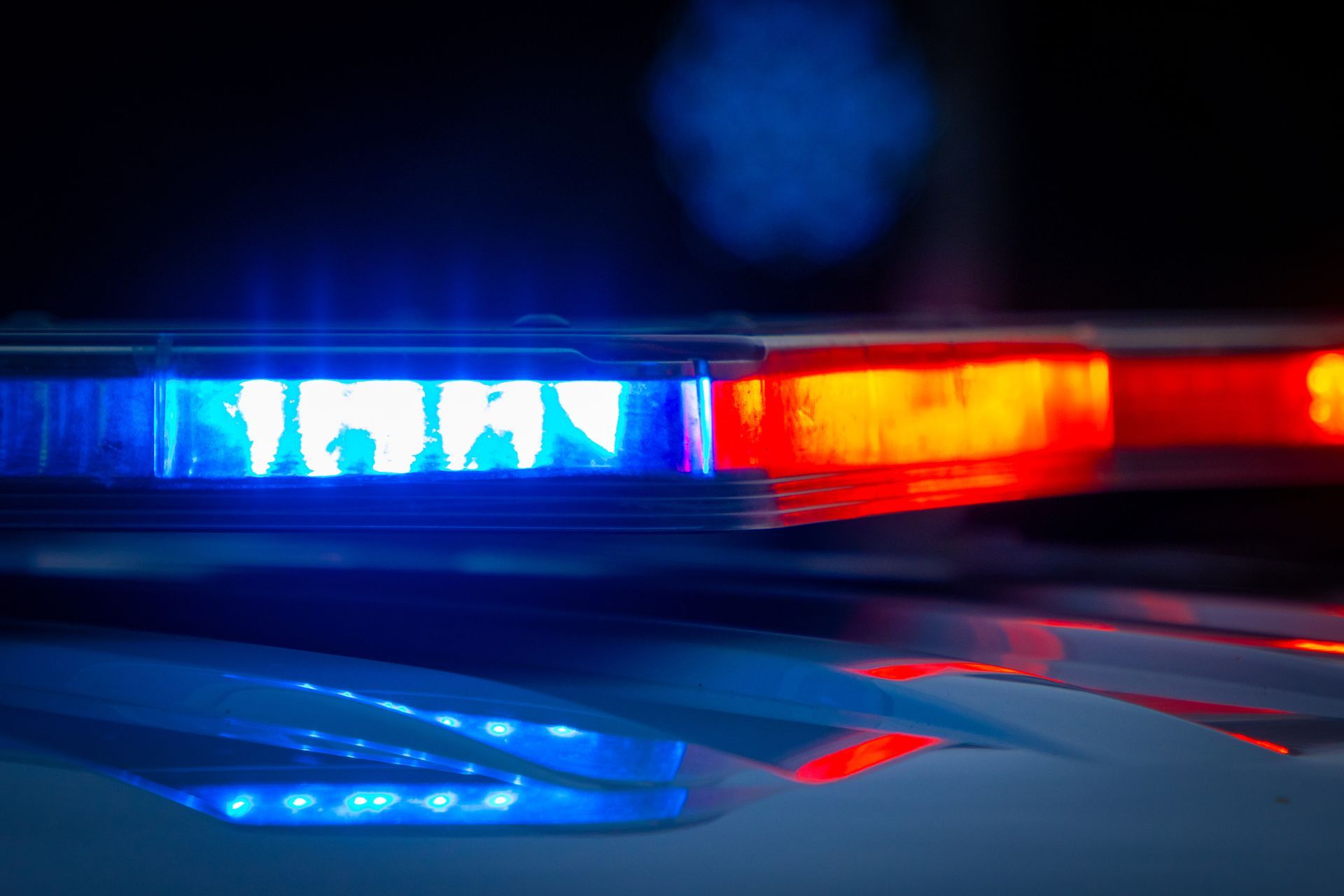
Rally Specialist: Saluting Crews Who Answer the Call
On Veterans Day, we pause to recognize the people who serve, and the people who keep showing up when someone needs help. To our veterans, first responders, dispatchers, support crews, and public-service teams: thank you. Your commitment matters to the communities you protect every day.
A salute also goes to the technicians and fleet professionals working behind the scenes to help keep response vehicles ready. It’s not always the most visible part of public service, but reliable equipment and careful installation matter when a vehicle is expected to answer the call.
What Emergency Vehicle Upfitting Really Involves
Emergency vehicle upfitting is more than adding a lightbar and calling it done. It’s the planning, installation, wiring, and testing of equipment that needs to work together in a specific vehicle, for a specific role, and according to the department or fleet’s requirements.
Depending on the vehicle and its purpose, an upfit project may involve:
- Emergency vehicle lights and other warning equipment
- Sirens and related controls
- Radios and communications equipment
- Consoles, control panels, and equipment mounting
- Cameras and other electronic systems
- Electrical-system integration and upgrades
- Removal of outdated equipment before a new installation
A police vehicle, ambulance, fire and rescue vehicle, utility truck, and commercial work vehicle each have different needs. The right setup starts with understanding how the vehicle is used and what the people operating it need to access, then planning the installation around those requirements.
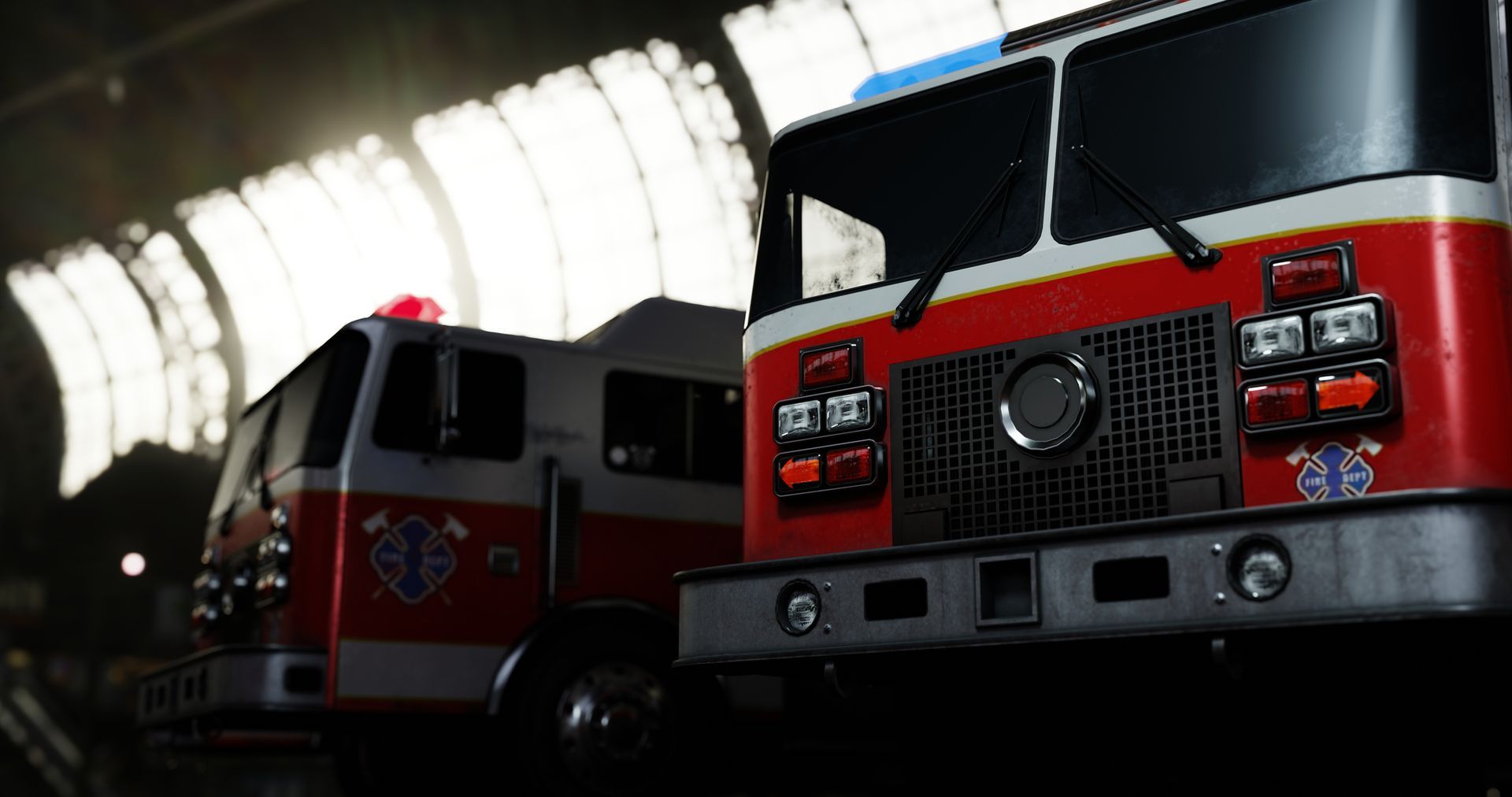
Why Standards and Professional Installation Matter
When a vehicle is part of a response fleet, equipment placement and integration aren’t just cosmetic details. Lighting, sirens, radios, cameras, and controls should be installed so they work as intended and fit the vehicle’s operational needs.
That means looking at the whole setup, not just the individual components. How will the wiring and controls integrate with the vehicle? Can operators reach the equipment they need? Does the layout follow the department’s specifications? Are the installed systems checked before the vehicle returns to service?
The details count. A well-planned installation can help make equipment easier to operate, keep the cabin organized, and support a more consistent setup across vehicles. For a fleet, consistency matters: when vehicles are outfitted to agreed specifications, teams have a clearer, more familiar layout from one unit to the next.
Pennsylvania has requirements governing emergency warning lights and audible warning systems. Departments and fleet managers should confirm that the equipment, installation, and intended use meet applicable laws and their own operating requirements. Professional installation is an important part of getting the project right, not a substitute for your agency’s final review or approval.
Supporting Fleets Across the Pittsburgh Region
Rally Specialist works with departments, municipalities, contractors, and utility fleets in the Pittsburgh region on emergency vehicle and commercial vehicle outfitting. The team’s services include equipment installation, wiring, and calibration for lights, sirens, radios, and related electronics. Rally Specialist also describes support for police, medical and ambulance, fire and rescue, construction, and commercial vehicles.
Every vehicle has its own job. A department may need an upfit for a patrol vehicle, while a contractor may be looking for a practical work-truck setup. A municipality may have several vehicles to outfit with consistent equipment and controls. The best starting point is a clear conversation about the fleet, the vehicle, and the work it needs to do.
For fleets replacing older equipment, a project may also include removing outdated components and preparing the vehicle for a new installation. That’s a chance to consider what should carry over, what needs to change, and how the new setup can better match the current requirements.
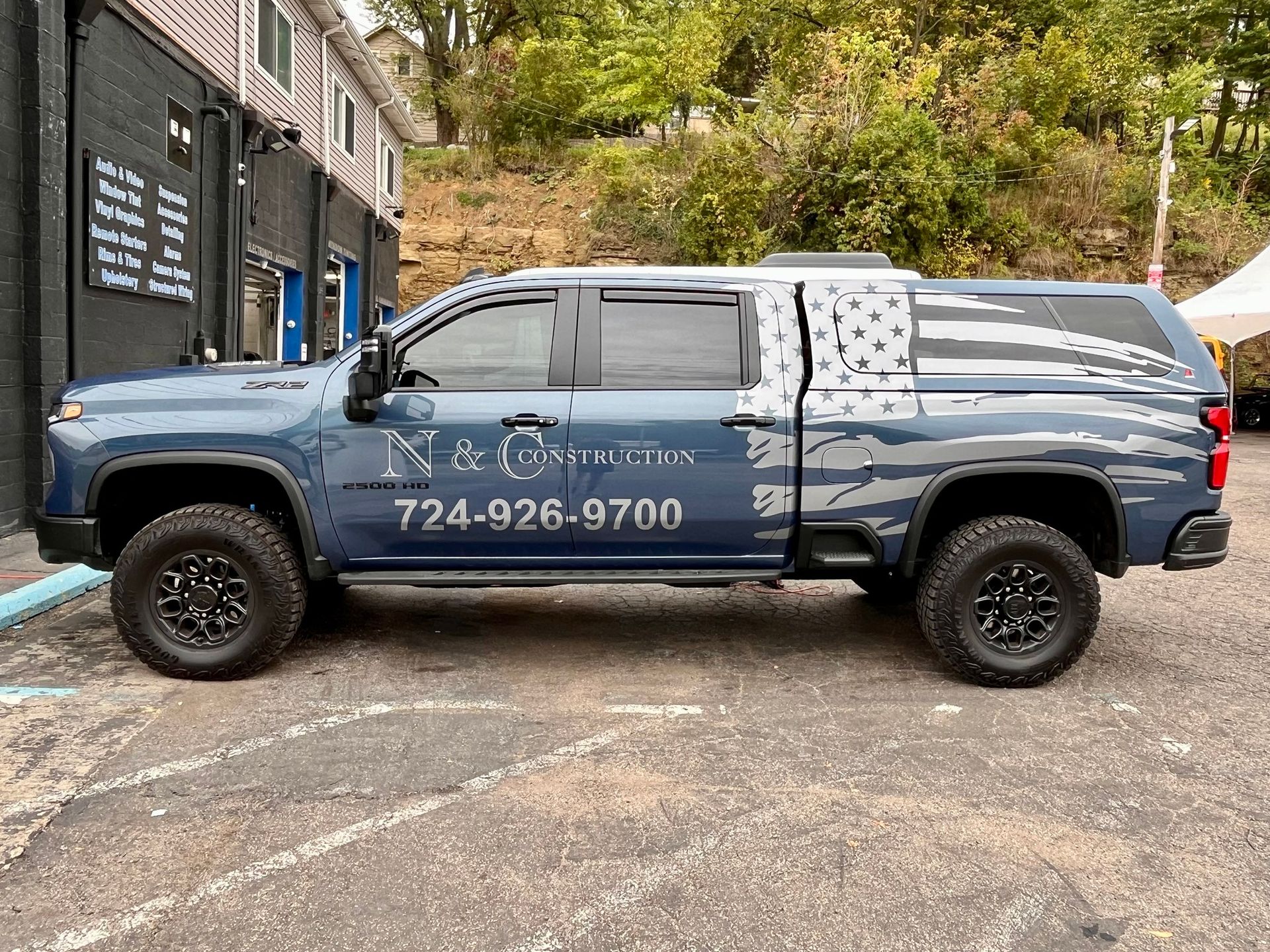
If you’re planning a new build or updating an existing vehicle, share the vehicle details and the equipment list you have in mind. Talk through vehicle use, fleet standards, installation scope, and scheduling before the work begins. A little planning up front can make the project clearer for everyone involved.
Learn more about Rally Specialist, or read our recent article on preparing emergency fleets for summer conditions.
A Family of Local Services
Rally Specialist is part of the broader Team Nutz family of services, alongside Team Nutz and TN Security. Team Nutz provides vehicle customization and installation services; TN Security focuses on business and home security solutions. Together, the family brings a range of vehicle, commercial, and residential expertise to customers in the Pittsburgh area.
Team Nutz was founded in January 2001 and marks 25 years in business in 2026. Team Nutz is rated 4.9 stars with more than 1,200 reviews. For emergency vehicle projects, Rally Specialist is the dedicated place to start a conversation about outfitting and fleet equipment.

A Veterans Day Thank-You
To veterans: thank you for your service and sacrifice. To the first responders and public-service crews who continue to serve your neighbors: thank you for answering the call. And to the fleet and installation professionals who help keep essential vehicles equipped and ready, we see the care and expertise your work takes.
If your department, municipality, contractor team, or utility fleet is planning an upfit, let’s talk through the project. Call Team Nutz at 412-882-8346 or email sales@teamnutztechnology.com. Our call center is available 24/7 to take messages, with a callback the next business day.
Visit us at 3287 Library Road (Route 88), Castle Shannon, South Hills of Pittsburgh, PA 15234.
Business hours: Monday–Friday, 9 AM–6 PM; Saturday, 9 AM–2 PM; Sunday, closed.
Welcome to the TEAM!!! We’re ready to help you plan the next project.
What is emergency vehicle upfitting?
Emergency vehicle upfitting is the installation and integration of equipment such as warning lights, sirens, radios, consoles, cameras, and communications systems. The specific setup depends on the vehicle’s role and the department or fleet’s requirements.
Who does emergency vehicle lighting near me in Pittsburgh?
Rally Specialist provides emergency vehicle outfitting in the Pittsburgh region, including installation, wiring, and calibration for lighting and related equipment. Contact the team to discuss your vehicle, equipment needs, and project scope.
Can you upfit commercial work trucks?
Rally Specialist lists commercial vehicle outfitting and construction vehicles among its services. Share your truck details and intended use to discuss an installation tailored to your fleet’s requirements.