- MORE ABOUT OUR NEWS
- CALL 412-882-8346

- ASK ABOUT LEASE-TO-OWN OPTIONS


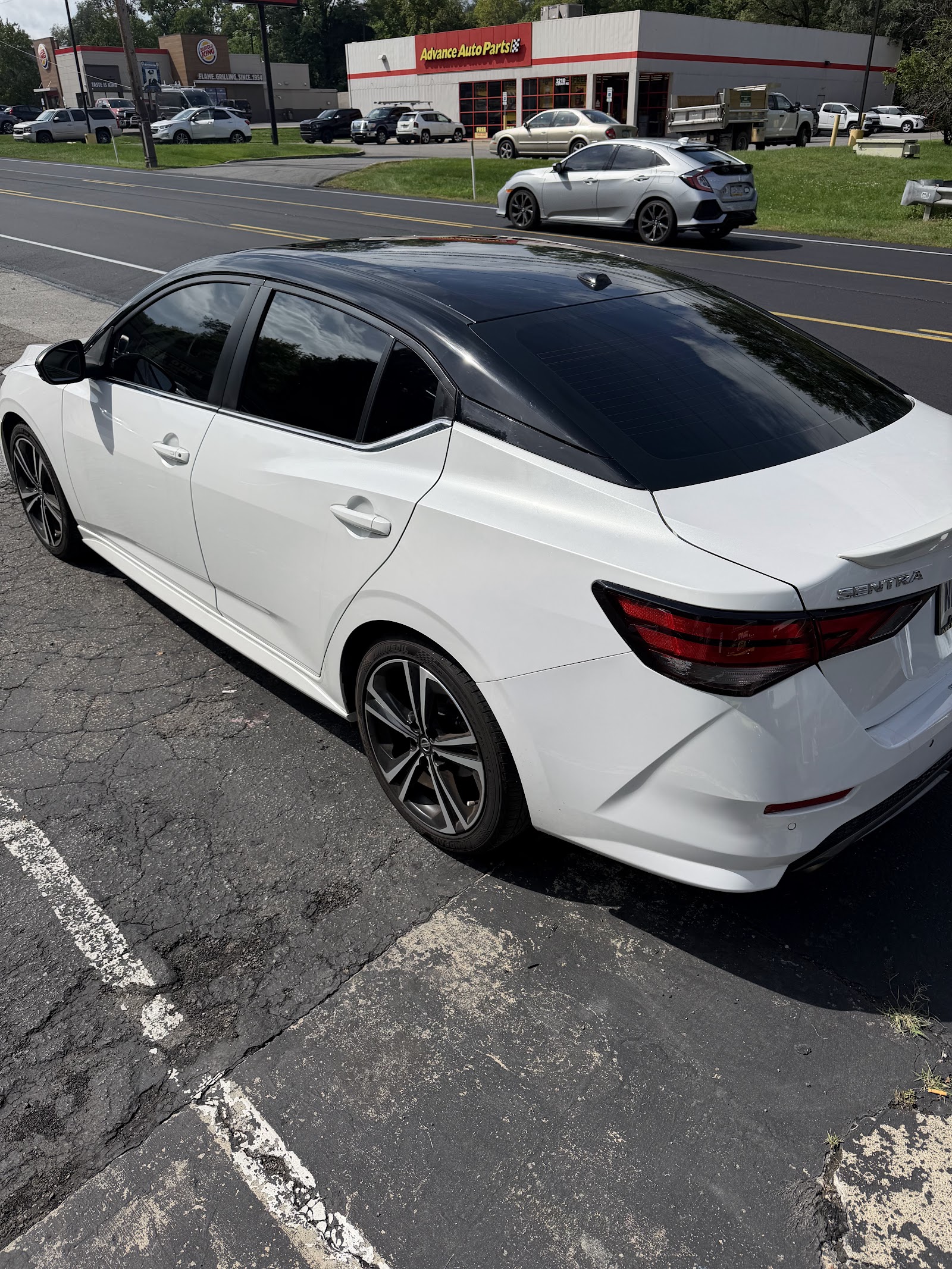
Window Tint Pittsburgh: Winter Perks & What Drives Cost
Fall is here, Pittsburgh!!! The leaves are changing, the mornings are getting colder, and that low autumn sun is already finding its way into your windshield and side glass.
So, real talk: late September and October are some of the smartest times to book window tint.
Not because it’s summer. That season is done.
Because spring and summer are our BUSIEST tint months, and booking now can help you get a faster appointment before the next rush hits. Plus, you’ll enjoy the comfort, glare reduction, privacy, and interior protection all winter long instead of waiting until May and saying, “Man, I shoulda done this sooner.”
Welcome to the TEAM!!!
Why Book Pittsburgh Window Tint in the Fall?
When warmer weather hits, everybody starts thinking about tint. Cars, trucks, SUVs, EVs, work vehicles: you name it. That means spring and summer calendars can fill up FAST.
Late September and October give you a better opportunity to:
- Get on the schedule before the spring/summer rush
- Improve winter driving comfort right away
- Reduce glare during those low-sun Pittsburgh commutes
- Protect your interior through every season
- Add privacy before holiday shopping, travel, and gear start piling up in the vehicle
This is a vehicle project that works year-round. You don’t have to wait for hot weather to benefit from window film.
And honestly? Waiting until the first warm weekend of spring is how you end up waiting longer for an appointment. Just sayin’.
Learn more about professional window tinting in Pittsburgh and start planning your project before the calendar gets packed.
The Winter Benefits of Quality Window Film
A lot of drivers think tint is only about keeping the cabin cool in July. That’s just part of the story.
Quality window film can make your vehicle more comfortable and easier on your eyes during Pittsburgh’s colder months, too.
1. Helps Hold Cabin Heat
Window film can help moderate the transfer of heat through your glass. So while your heater is working to warm up the cabin, quality film can help support a more stable interior temperature.
It’s not magic, and it’s not a replacement for a properly working heating system, but it can contribute to a more comfortable ride when you’re heading out on a cold morning.
2. Cuts Snow Glare and Low-Sun Glare
Winter driving brings some seriously annoying glare.
Snow, wet pavement, icy roads, and low-angle sunlight can all bounce light directly into your eyes. That glare can be especially rough during early-morning and late-afternoon commutes.
A professionally selected film can help reduce that harsh brightness while keeping your view clear. Less squinting. Less eye fatigue. More comfortable driving.
That matters when you’re commuting across Pittsburgh, sitting in traffic, or driving home after dark.
3. Blocks UV Rays Year-Round
UV exposure doesn’t stop when temperatures drop.
Quality window film helps block UV rays that can contribute to fading, cracking, and aging inside your vehicle. Over time, that can help protect:
- Dashboard materials
- Door panels
- Seats and upholstery
- Carpeting
- Trim and other interior surfaces
Your vehicle is an investment. Protecting the inside is part of protecting the project.
4. Adds Privacy and Security
Tinted glass makes it more difficult for people outside the vehicle to see what’s inside. That added privacy can be useful when you’ve got shopping bags, tools, electronics, luggage, or other gear in the cabin.
It’s not a security system by itself, but it can make your vehicle less visually tempting to someone walking by.
Less visibility. More privacy. Better peace of mind.
5. Makes Dark Commutes Easier on Your Eyes
Winter means shorter days. You may be leaving for work in the dark and coming home in the dark.
Between headlights, wet pavement, low sun, and reflective surfaces, your eyes can take a beating. The right window film can help reduce visual fatigue without turning your vehicle into a cave.
That’s why film selection and professional installation matter. Dark isn’t always better. Comfort and clarity are the goal.
What Actually Drives the Cost of a Tint Job?
Here’s the honest answer: there isn’t one universal price for every vehicle, and we’re not going to toss out made-up dollar amounts just to make a quick sale.
The cost of your tint project depends on the actual work involved.
Vehicle Size and Glass Layout
A compact sedan, full-size SUV, pickup truck, electric vehicle, and specialty vehicle can all require different amounts of film and labor.
The shape, size, and number of windows affect the project. More glass generally means more material, more prep, and more installation time.
Number of Windows
Are you tinting the rear windows only? Adding a windshield strip? Doing a complete side-and-rear package? Looking at more extensive coverage?
The number of windows, and which windows, changes the scope of the job.
Windshield Strip vs. Full Coverage
A windshield strip is a different project than full vehicle coverage. The film type, placement, glass shape, and compliance considerations all factor in.
For front side windows and windshield work, film choice has to respect what Pennsylvania allows for inspection. Our team can walk you through compliant options for your vehicle instead of leaving you to guess.
Film Tier
The film itself is another major factor. Common options can include:
- Dyed film for basic privacy and appearance
- Carbon film for upgraded durability and performance
- Ceramic or graphene-enhanced film for premium heat rejection and clarity
Ceramic films can reject more heat while remaining clear and signal-friendly for technology like GPS, Bluetooth, and mobile connectivity. The right choice depends on your vehicle, driving habits, comfort goals, and project budget.
This isn’t about pushing the most expensive option. It’s about matching the film to what you actually need.
Old Film Removal
If your vehicle already has old tint, that film may need to come off before new film goes on.
Removal adds labor, especially when the old film is brittle, peeling, bubbling, discolored, or leaving adhesive behind. Rear glass with defroster lines can require extra care, too.
That peeling purple film isn’t saving you money. Removing it and redoing the job later usually costs more than choosing quality materials and professional installation from the start.
Curved Glass and Defroster Lines
Modern vehicles have complex glass shapes. Curves, tight edges, quarter windows, rear windshields, and defroster lines can all add difficulty.
A clean tint job isn’t just slapping film on flat glass. It requires accurate patterning, careful prep, controlled application, and patient finishing.
Shop Quality, Warranty, and Installer Experience
You’re also paying for the people and process behind the film.
Look for:
- MECP-certified technicians
- Experienced installers
- Reputable film brands
- Proper installation equipment
- Clear warranty coverage
- An established local shop
At Team Nutz, qualifying work is backed by our in-house lifetime warranty, and we’ve been helping Pittsburgh-area customers with vehicle customization since January 2001: that’s 25 years in business.
We’re also proud of our 4.9-star rating and more than 1,200 reviews. That kind of track record doesn’t happen by accident.

Can Window Tint Be Installed During Cold Weather?
YES!!! Window tint can absolutely be installed during cooler months.
The outside temperature matters less than the installation environment, preparation, and curing process. Professional shops use controlled bays, heaters, and proper prep methods to help the film install correctly when Pittsburgh weather gets chilly.
The big things are:
- A controlled indoor installation area
- Clean, properly prepared glass
- Correct film handling
- Proper squeegee and edge work
- Adequate curing time
- Following post-installation instructions
After your appointment, you’ll need to avoid rolling the windows down during the recommended curing window. That part is important, don’t get excited and immediately test the switches. Let the film do its thing!!!
You may notice some haze or small moisture pockets while the film cures. That can be normal, especially during cooler weather. Your installer will explain what to expect and how to care for it.
Why Team Nutz Is a Smart Place to Start
Team Nutz is more than a tint shop. We’re a one-stop customization team for cars, trucks, SUVs, boats, RVs, motorcycles, ATVs, and golf carts.
That means your tint project can fit into a bigger vehicle plan, whether you’re adding electronics, detailing, ceramic protection, wheels and tires, accessories, or another upgrade later.

We’ve been serving the Pittsburgh area for 25 years, and we focus on doing projects the right way, not the fastest, cheapest, cut-corner way.
Cheapest isn’t always cheapest. A low-quality installation that bubbles, peels, fades, or turns purple can become a redo project. Quality film, experienced technicians, and a real warranty are part of the value.

Book Your Pittsburgh Window Tint Before the Cold Hits
If window tint is on your fall project list, now’s a great time to get the conversation started.
CALL/TEXT 412-882-8346 to talk through your vehicle, glass layout, film goals, and compliant options.
Our 24/7 call center is available for messages, with a next-business-day callback if you reach us outside regular hours.
Team Nutz Technology
3287 Library Road
Pittsburgh, PA 15234
Phone: 412-882-8346
Email: sales@teamnutztechnology.com
Business hours:
Monday–Friday: 9 AM–6 PM
Saturday: 9 AM–2 PM
Sunday: Closed
Bring us your year, make, model, and submodel, and tell us what you want your project to do. We’ll help you build it right!!!
Is Window Tint Worth It in Winter?
Yes, window tint can be worth it during Pittsburgh’s winter months because it helps reduce low-sun and snow glare, supports cabin comfort, blocks UV rays, protects your interior, and adds privacy. Booking in fall also helps you avoid the busiest spring and summer scheduling period.
Can Window Tint Be Installed in Cold Weather?
Yes, professional shops can install window tint during colder weather using controlled bays, heaters, proper glass preparation, and correct curing methods. Follow the installer’s care instructions, especially the direction to keep windows up during the curing window.
What Affects the Price of a Tint Job?
The cost depends on your vehicle’s size and glass shape, the number of windows, windshield coverage, film tier, old-film removal, defroster lines, curved glass, installer experience, and warranty coverage. A quality installation may cost more upfront, but redoing peeling or faded tint can cost more over time.