- MORE ABOUT OUR NEWS
- CALL 412-882-8346

- ASK ABOUT LEASE-TO-OWN OPTIONS


Sound Deadening: Silence Road Noise This Winter
Winter driving has a soundtrack: tire roar on wet pavement, wind around the windows, and that mystery rattle that only shows up on your morning commute. If your cabin feels louder once the cold weather rolls in, car sound deadening may help make the ride more comfortable.
But let’s set expectations right away: sound deadening isn’t a magic “mute the whole car” button. It can help control panel vibration, buzzes, and some road noise, but the best results start with understanding what’s making the noise in the first place.
What is car sound deadening?
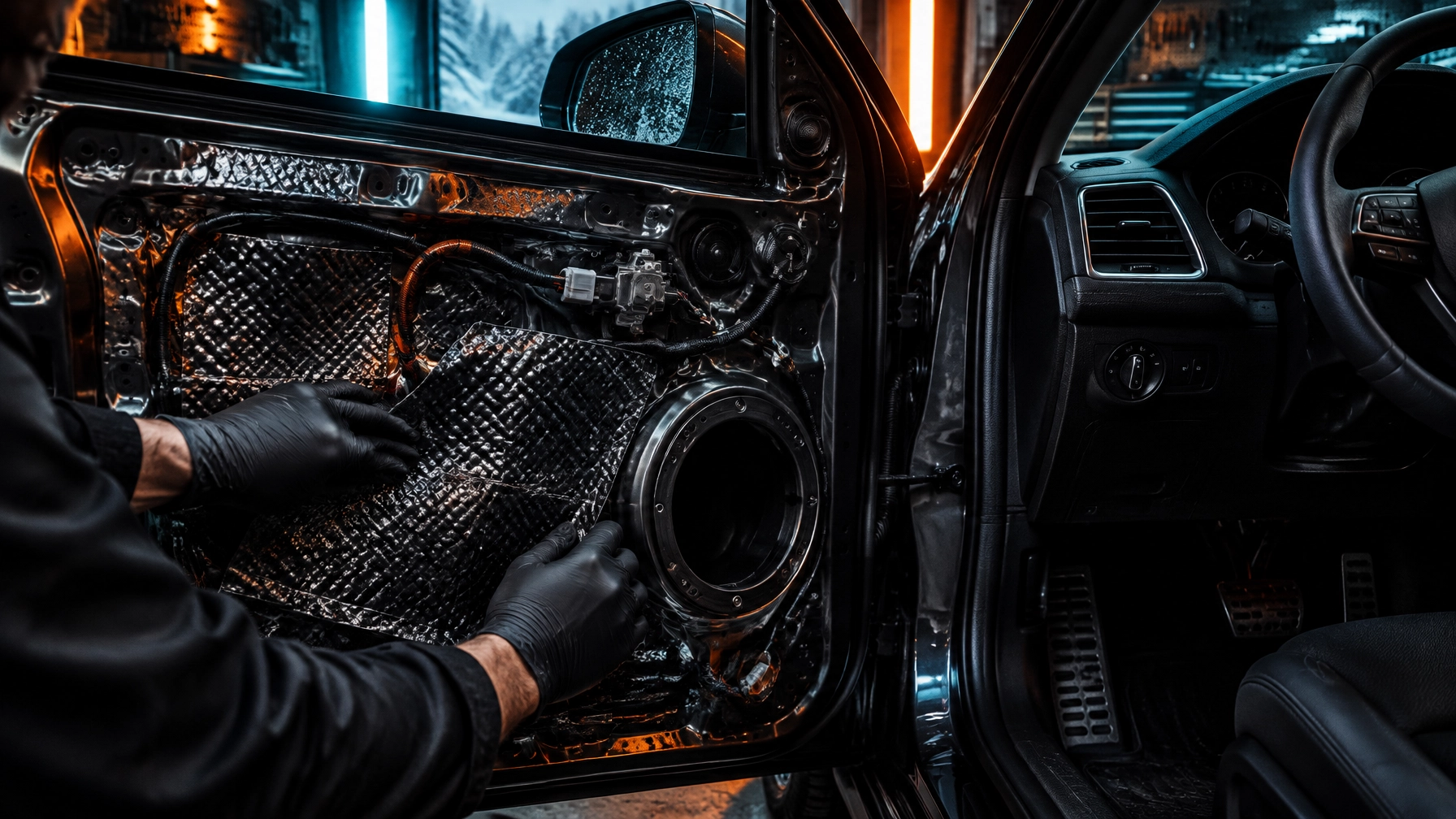
Sound-deadening material is applied to selected metal panels in a vehicle, often inside the doors, on sections of the floor, or in the trunk. Its job is to reduce how much those panels vibrate and resonate.
Think of a large, thin metal panel like a drum. When the road, speakers, or vehicle movement makes it vibrate, that vibration can add a booming or tinny sound to the cabin. Vibration-damping material helps calm that panel down. The result may be less panel buzz and a more settled cabin feel.
That’s different from fully soundproofing a vehicle. A sound-deadening layer does not seal every gap or block every sound. And it won’t erase engine noise, a failing wheel bearing, worn tires, a leaky window seal, or an exhaust problem. If a noise is new, unusually loud, or changing, it’s worth having the cause checked instead of trying to cover it up.

Where does sound deadening make the biggest difference?
The right location depends on your vehicle and what you’re hearing. A few common areas are:
- Doors: Helpful for reducing door-panel resonance and trim buzz. This area can also make sense when you’re upgrading speakers.
- Floor: May help calm some panel vibration and drumming coming through the cabin floor.
- Trunk: Can help control vibration from trunk panels and rattles around the rear of the vehicle.
- Around speakers: A more stable, less resonant mounting area can help speakers perform more cleanly.
There’s no rule that says every inch of metal needs to be covered. Targeted treatment is often the smarter place to start. The material, placement, vehicle design, and source of the noise all matter.
Already planning speaker work? That can be good timing.
If your door panels are coming off for speaker installation, it can be efficient to talk about sound treatment at the same time. The installer already has access to the door area, so combining the work may help you avoid taking things apart again later.
Sound treatment can also help reduce vibration and buzz around speakers, which may let you enjoy music at a more comfortable volume. It doesn’t add amplifier power or turn one speaker into another, but reducing unwanted panel noise can help your system sound clearer.
Explore our car audio systems and installation to see how sound treatment can fit into a larger audio project.
What sound deadening can, and can’t, do
It can help reduce:
- Panel buzz and resonance
- Some rattles caused by vibrating trim or metal
- Some road noise transmitted through vibrating body panels
- Distractions that make it harder to enjoy your audio
It can’t promise:
- A completely silent cabin
- The same improvement in every car
- A fix for mechanical problems, worn tires, wind leaks, or faulty seals
- The removal of every kind of road, engine, or exhaust noise
That distinction matters. Road noise reduction can mean different things to different drivers. One person may be bothered by a door buzz when the music is on; another may mostly hear tire noise on the highway. Different noise sources may need different solutions, and some may need repair rather than added material.
Why does winter make cabin noise feel worse?
Cold-weather commutes often mean wet or rough roads, winter tires, more wind, and fewer pleasant drives with the windows down. Those conditions can make familiar sounds more noticeable. A cold start can also bring its own noises, so it helps to notice when and where the sound happens.
Does it change with road speed? Does it get louder over bumps? Can you hear it with the audio off? Is it coming from a door, the trunk, or near a wheel? Those clues can help narrow down whether you’re dealing with panel resonance, a trim rattle, tire noise, or something mechanical.
Sound deadening is most useful when it’s matched to the problem, not when it’s treated as a catch-all fix. The right project starts with a conversation about what you’re hearing and what you want to improve.

What should you expect from the results?
Results vary by vehicle, the type of noise, where material is installed, and how the panels are constructed. You may notice a reduction in a specific buzz or a more comfortable listening experience, but don’t count on every sound disappearing.
A good plan is to describe the noise and your goals clearly. Maybe you want to calm a door that vibrates with the music. Maybe you want a quieter-feeling commute. Or maybe you’re planning a speaker upgrade and want to address the door panels while they’re accessible. Those are different projects, and the treatment should suit yours.
Professional installation also helps make sure the work is planned around the vehicle’s interior and components. Panels need to fit back properly, and service access and vehicle features need to be considered. If you’re a DIY customer, DIYCustoms.store offers supplies for your own project, with free shipping over $200. Make sure any material and installation method are appropriate for your vehicle and the areas you’re treating.
Want a quieter, more comfortable commute?
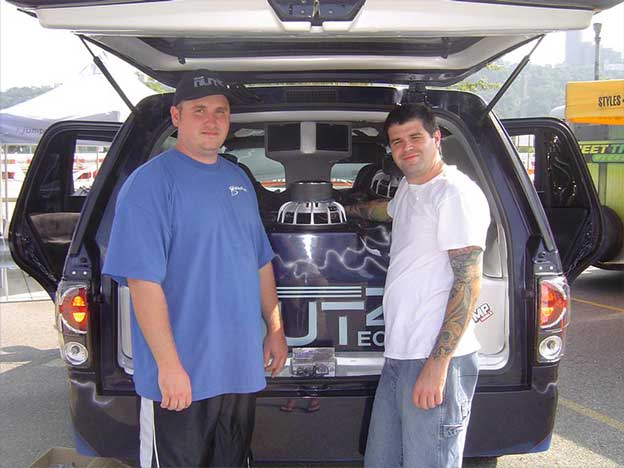
Team Nutz has been helping drivers with vehicle customization since January 2001-25 years in business in 2026. Our MECP-certified technicians can help you plan an audio or sound-treatment project, including whether addressing sound while the door panels are already off for speaker work makes sense for your vehicle.
We’re rated 4.9 stars with 1,200+ reviews, and qualifying work includes an in-house limited lifetime warranty. Every vehicle and noise concern is different, so let’s talk through your goals before deciding what the project should include.
CALL/TEXT: 412-882-8346
EMAIL: sales@teamnutztechnology.com
VISIT: 3287 Library Road (Route 88), Castle Shannon / South Hills of Pittsburgh, PA 15234
Hours: Monday–Friday, 9 AM–6 PM; Saturday, 9 AM–2 PM; Sunday, closed. Our call center is available 24/7 to take a message, with a callback the next business day.
Welcome to the TEAM!!! Let’s make your next winter drive a little more comfortable!!
Does sound deadening really work?
Yes, sound-deadening material can reduce vibration and resonance in treated vehicle panels, which may help with panel buzz and some noise. How much you notice depends on your vehicle, the noise source, and where the material is installed.
Is sound deadening worth it?
It may be worth considering if you’re bothered by panel vibration, trim buzz, or a noisy-feeling cabin, or if you’re already planning speaker work that requires door panels to come off. Talk through your goals first, since sound deadening won’t fix mechanical problems or every kind of road noise.
Does sound deadening help with road noise?
It can help reduce some road noise that travels through vibrating body panels, but it won’t block every sound entering the cabin. Tire noise, wind leaks, worn components, and other issues may need a different solution.